Post in x 
In a study on diabetic patients, researchers leveraged the explanatory framework of Pender's Health Promotion Model (HPM) to shift the health education paradigm from the "one-way transfer of nutritional knowledge" to a "multi-level behavioral intervention." In this context, the root causes of patients' non-adherence were examined not as a mere deficit in knowledge, but rather through the complex interplay of perceived benefits and barriers, as well as interpersonal and situational influences; ultimately, targeted interventions addressing these specific constructs led to a significant change in vegetable consumption patterns. DOI: 10.4103/jehp.jehp_131_23

 Post in x
Research findings clearly indicate that the missing link in reducing road accidents lies neither in the asphalt nor in the steel of the vehicle, but rather in the cognitive and behavioral architecture of the driver; as evidenced in the present study on Iranian drivers, where over 60% of the variance in risky driving behavior was explained by attitudinal constructs, behavioral intention, and factors such as substance abuse. DOI: 10.48307/iahsj.2023.404891.1000

 Post in x
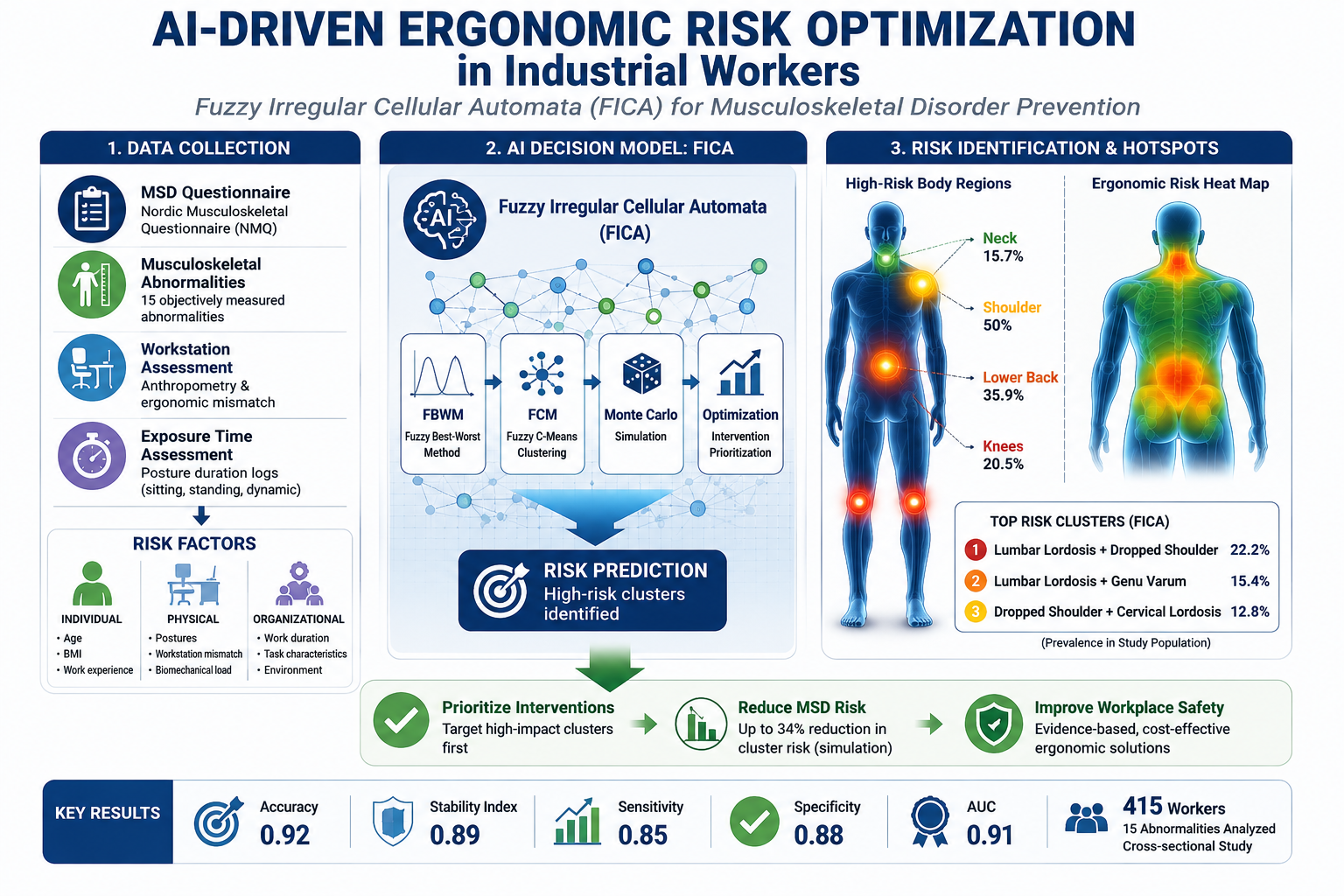
This study demonstrates that integrating artificial intelligence with ergonomic risk assessment provides a powerful approach for identifying and prioritizing the factors contributing to work-related musculoskeletal disorders in industrial workers. By combining advanced decision-making and predictive modelling techniques, the proposed framework enables more accurate risk evaluation, supports evidence-based intervention planning, and helps optimize preventive strategies. The findings highlight the potential of AI-driven ergonomics to improve occupational health, reduce musculoskeletal injury risk, and promote safer and more sustainable workplaces. DOI: 10.1038/s41598-025-28916-4

 Post in x
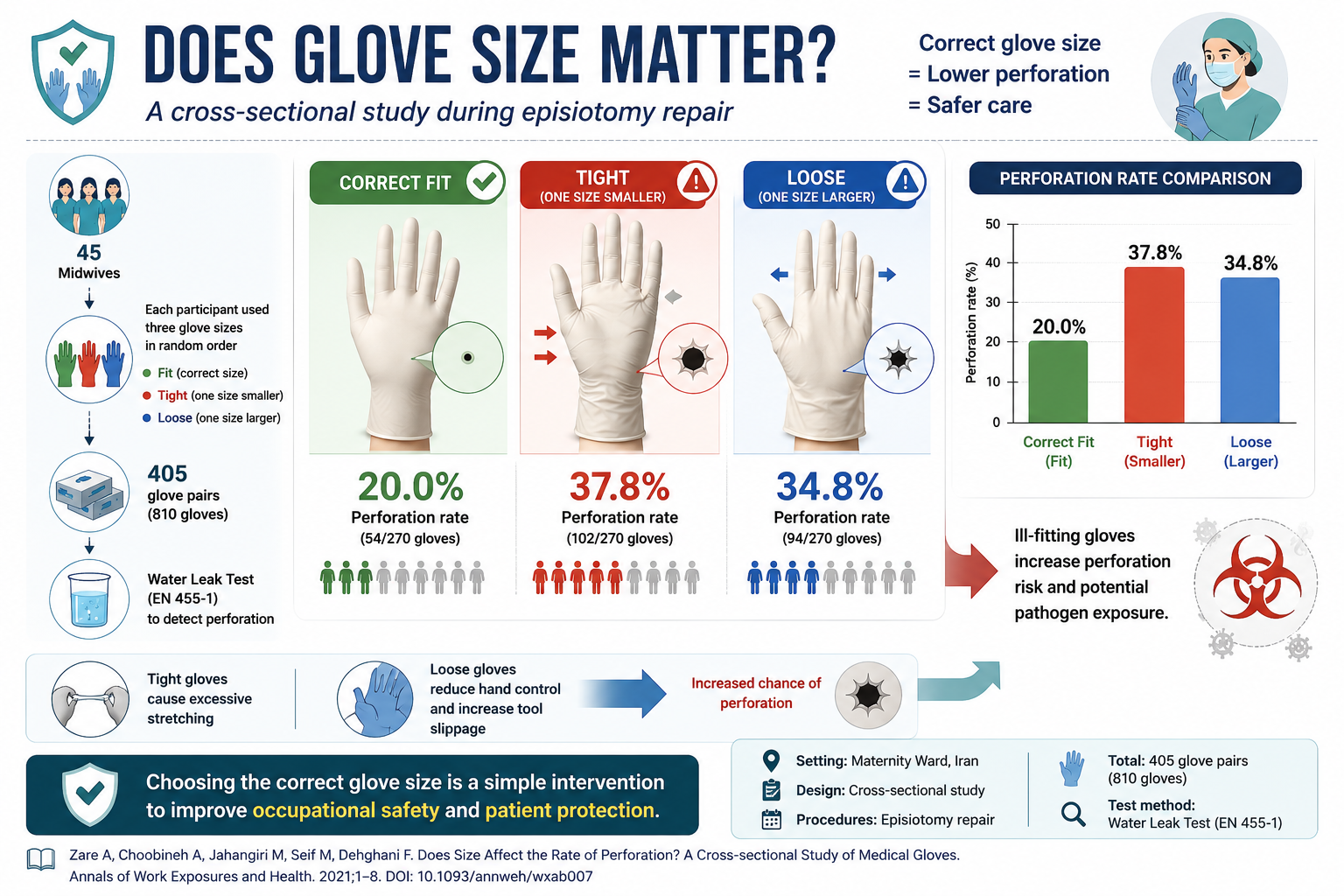
Our findings demonstrate that medical glove size is a critical factor influencing glove integrity during episiotomy repair. Both undersized and oversized gloves were associated with significantly higher perforation rates compared with correctly fitted gloves, potentially increasing the risk of occupational exposure to bloodborne pathogens. Ensuring the availability and use of appropriately sized gloves represents a simple, low-cost, and effective strategy to enhance healthcare worker safety, maintain barrier protection, and improve patient safety during clinical procedures. DOI: 10.1093/annweh/wxab007
